

La Madonna di Cisano ( La sagra dei Osei )
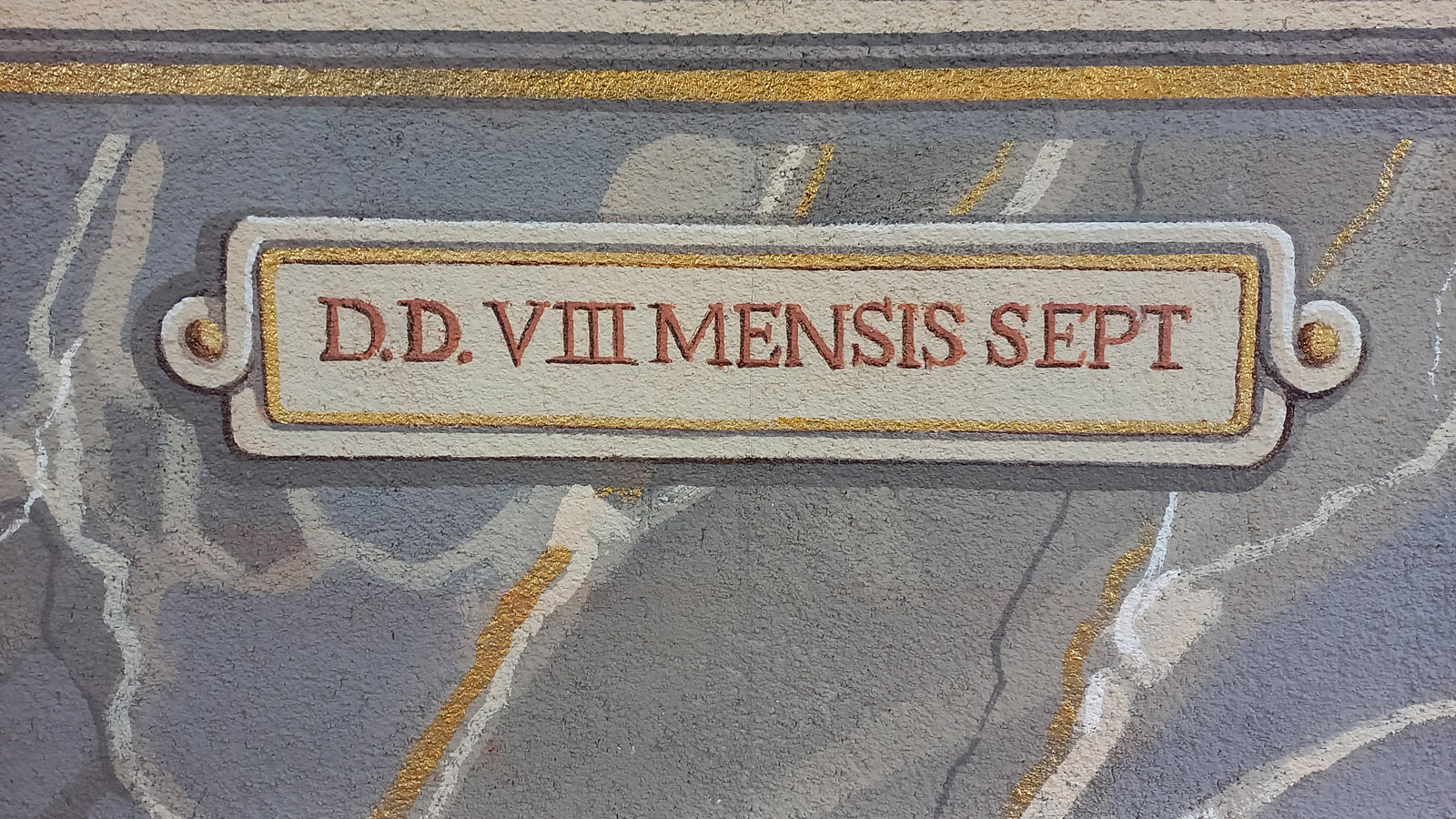
La fame atavica che fino a pochi decenni fa ha attanagliato i nostri antenati, in stragrande maggioranza contadini, veniva in parte tacitata dalla pesca, favorita dalla presenza del lago, e dalla caccia praticata con reti e lacci e con uccelli da richiamo, grazie alla posizione geografica delle colline moreniche del basso Garda veronese, dove si incontrano le due linee migratorie: quella che viene da est e quella dalla Val d'Adige. Ciò ha favorito l'uccellagione, soprattutto nel Triveneto e in Lombardia, ricordata anche da Francesco Corna da Soncino in un suo poemetto del 1487, in ottava rima e in lode a Verona. In epoca medievale, come supporto all'attività di aucupio, sono sorte in molte zone delle fiere degli uccelli. Già allora i nobili, proprietari delle terre, riservavano a sé la caccia agli animali di pelo, lasciando al popolo, che lo faceva già, La facoltà di catturare gli uccelli con le reti. Anche se non documentato, è probabile che anche la sagra di Cisano sia sorta in quel periodo. In antico la sagra era insediata presso la Pergolana, in Comune di Lazise, ma in seguito, a partire dalla metà del XVI secolo venne trasportata a Cisano. Qui, 8 settembre, festa della Natività di Maria - meglio conosciuta come la Madonna de Sisà - si tiene un'importante rassegna di uccelli da richiamo in gabbia e appositamente addestrati, con la partecipazione di uccellatori e mercanti. A dire il vero, ciò succedeva fino a pochi decenni fa mentre ora la festa si è dilatata a dismisura, svolgendosi per più giorni, ed avendo assunto ormai l'aspetto di una gigantesca festa paesana caratterizzata da giostre e banchi di venditori. Fortunatamente nella frazione è presente un attivo gruppo di appassionati costituitesi nel 1993, che cerca di non far morire completamente l'aspetto originario della sagra, l'attenzione cioè al mondo della caccia in tutti i suoi aspetti. Ad accrescere la notorietà di questa festa contribuì sicuramente in larga misura il pittore Achille Beltrame, che il 20 settembre 1903 la immortalò sulla domenica del corriere. Una descrizione della sagra ci viene offerta da Benedetto Lenotti ( pp.194-196 ), uno dei primi che abbia cercato di mettere per iscritto le leggende e le tradizioni popolari gardesane. Ai suoi tempi gli uccelli di varie specie, erano esposti nelle gabbie appese sui muri della bella chiesa romanica, oltre che sui parietai appositamente costruiti nella vicina chiesa di San Giuliano ora non più esistente. Si vedevano merli, tordi, cinciallegre, usignoli, cardellini, calandre, fanelli, fringuelli, frusoni e altre specie ancora, tanto che i più diversi fischi, canti, gorgheggi, zirli e chioccolii si fondevano in un'unica armonia. Non mancavano falchi e civette, appollaiate sulla gruccia a mostrare la loro abilità nello svolazzare e nel ridiscendere sulla stessa: in base alla bravura venivano acquistate a prezzi sempre alti, per essere poi impiegate come richiami nei roccoli. Alle otto iniziava la gara di canto degli uccelli, con una giuria molto severa, mentre il battimani della folla sottolineava le performance migliori. Nei dintorni, come una cornice, si trovava il mercato degli oggetti occorrenti all'uccellagione, oltre che alla vinificazione, ( siamo infatti vicino al periodo della raccolta dell'uva ); E non mancava il parco divertimenti, sempre più ridotto rispetto adesso. Ora il calendario della festa vede gli aspetti più tradizionali relegati al mattino presto e, facendo riferimento alla festa del 2007, gli eventi iniziano domenica 2 settembre, alle ore 7:30, con una gara di caccia con cani da ferma, ovviamente senza sparo, su fagiani e starne in una località ( Campazzi ), nel comune di Bardolino. Quindi alle 8:30 inizia una gara podistica non competitiva. Il giovedì seguente, 6 settembre, abbiamo l'apertura ufficiale della sagra: questa giornata e la seguente, 7 settembre, sono dedicate sostanzialmente ad eventi musicali. Sabato otto alle ore 5:30 si aprono le iscrizioni alle gare “ fra le migliori primavere “ sul campo che iniziano un'ora dopo: merlo ( Turdus Merula ), tordo Bottaccio ( Turdus Philomelos ), tordo Sassello ( Turdus Iliacus ), fanello ( Carduelis Cannabina ), cardellino ( Carduelis Carduelis ), allodola ( Alauda Arvensis ), fringuello ( Fringilla Coelebs ), tordina ( Anthus Trivialis ). Oltre, sempre dalla mattinata, abbiamo l'apertura delle mostre mercato di attrezzature venatorie, selvaggina di allevamento, animali da cortile, armi da caccia, uccelli da richiamo, e altre. A lato di queste manifestazioni non mancano una mostra naturalistica del museo di scienze naturali di Jesolo e una mostra ornitologica. Alle 11 si svolge la gara di chioccolo con zufolo e senza zufolo; quindi un concerto campanario. La sagra continua fino a lunedì 10 settembre per concludersi alla sera con un gran finale pirotecnico sul lago. Il piatto tipico di questa festa era ed è ancora “ La Polenta e Osei “ - da molti considerata - “ il cibo degli dei “ presso le osterie del paese. Questo per quanto riguarda l'aspetto puramente commerciale e ludico, mentre per la parte religiosa ora non si registra niente di diverso dalle consuete attività legate alla domenica. E per finire, ricordiamo che nell'aprile del 2009 è stato inaugurato a Cisano, grazie alla perseveranza del presidente del comitato della sagra Alberto Salvetti, il “ Museo delle tradizioni ornitologiche ittiche e venatorie del comprensorio gardesano “.
Autore del quadro Ben Peretti: beniaminoperetti.it
Die Madonna von Cisano (Das Osei-Fest)
Der atavistische Hunger, der bis vor einigen Jahrzehnten unsere Vorfahren, überwiegend Bauern, erfasste, wurde teilweise durch den Fischfang, der durch die Anwesenheit des Sees begünstigt wurde, und durch die Jagd mit Netzen und Schlingen und mit Lockvögeln dank der geografischen Lage gestillt Gebiet von die Moränenhügel des unteren Garda Veronese-Gebiets, wo sich die beiden Zuglinien treffen: die aus dem Osten kommende und die aus dem Etschtal. Dies hat die Vogeljagd besonders im Triveneto und in der Lombardei begünstigt, was auch von Francesco Corna da Soncino in einem seiner Gedichte von 1487 in Oktavreimen und in Verona erwähnt wird. Im Mittelalter entstanden zur Unterstützung der Tätigkeit von aucupio in vielen Gegenden Vogelmessen. Schon damals behielten sich die Adligen, Besitzer des Landes, die Jagd auf Pelztiere vor und überließen dem Volk, das es bereits tat, die Fähigkeit, Vögel mit Netzen zu fangen. Obwohl nicht dokumentiert, ist es wahrscheinlich, dass das Cisano-Fest auch in dieser Zeit entstand. In der Antike fand das Fest in der Nähe der Pergolana in der Gemeinde Lazise statt, aber später, ab Mitte des 16. Jahrhunderts, wurde es nach Cisano verlegt. Hier findet am 8. September, dem Fest der Geburt Mariens – besser bekannt als Madonna de Sisà – eine wichtige Ausstellung von eingesperrten und speziell trainierten Lockvögeln statt, an der Vogelfänger und Kaufleute teilnehmen. Um die Wahrheit zu sagen, geschah dies bis vor einigen Jahrzehnten, während sich das Fest jetzt dramatisch ausgeweitet hat, mehrere Tage dauert und nun das Aussehen eines gigantischen Dorffestes angenommen hat, das von Fahrgeschäften und Verkaufsständen geprägt ist. Glücklicherweise gibt es im Weiler seit 1993 eine aktive Gruppe von Enthusiasten, die versuchen, den ursprünglichen Aspekt des Festivals, dh die Aufmerksamkeit für die Welt der Jagd in all ihren Aspekten, nicht vollständig zu verlieren. Der Maler Achille Beltrame, der es am Kuriersonntag des 20. September 1903 verewigte, trug sicherlich dazu bei, den Bekanntheitsgrad dieses Festes zu steigern. Eine Beschreibung des Festes bietet uns Benedetto Lenotti (S. 194-196), einer der ersten, der versuchte, die Legenden und volkstümlichen Traditionen des Gardasees aufzuschreiben. Zu seiner Zeit wurden Vögel verschiedener Arten in den Käfigen ausgestellt, die an den Wänden der schönen romanischen Kirche aufgehängt waren, sowie an den eigens errichteten Mauern der nahe gelegenen Kirche von San Giuliano, die heute nicht mehr existiert. Amseln, Drosseln, Kohlmeisen, Nachtigallen, Stieglitze, Kalander, Hänflinge, Finken, Frusoni und andere Arten wurden so gesichtet, dass die unterschiedlichsten Pfeifen, Lieder, Träller, Zirli und Küken zu einer einzigen Harmonie verschmolzen. Es gab keinen Mangel an Falken und Eulen, die auf dem Bügel hockten, um ihre Fähigkeit zu flattern und sich darauf niederzulassen: Je nach Geschicklichkeit wurden sie zu immer hohen Preisen gekauft, um dann als Lockvögel im Roccoli verwendet zu werden. Um acht Uhr begann der Vogelgesang-Wettbewerb mit einer sehr strengen Jury, während das Klatschen der Menge die besten Darbietungen hervorhob. In der Umgebung befand sich wie ein Rahmen der Markt für die Gegenstände, die für die Vogelzucht sowie für die Weinbereitung benötigt werden (wir befinden uns tatsächlich in der Nähe der Zeit der Weinlese); Und es gab keinen Mangel an Vergnügungspark, kleiner und kleiner als jetzt. Jetzt sieht der Kalender des Festivals die traditionelleren Aspekte auf den frühen Morgen verbannt, und in Anlehnung an die Party von 2007 beginnen die Veranstaltungen am Sonntag, den 2. September, um 7:30 Uhr mit einem Jagdwettbewerb mit Vorstehhunden, natürlich ohne Schießen, auf Fasane und Rebhühner in einer Ortschaft (Campazzi) in der Gemeinde Bardolino. Dann beginnt um 8:30 Uhr ein nicht wettbewerbsorientierter Wettlauf. Am folgenden Donnerstag, dem 6. September, haben wir die offizielle Eröffnung des Festivals: Dieser Tag und der folgende, der 7. September, sind im Wesentlichen musikalischen Veranstaltungen gewidmet. Am Samstag acht um 5.30 Uhr öffnen sich die Anmeldungen für die eine Stunde später beginnenden Wettbewerbe „unter den besten Quellen“ auf dem Feld: Amsel (Turdus Merula), Bottaccio-Drossel (Turdus Philomelos), Sassello-Drossel (Turdus Iliacus), Hänfling (Carduelis Cannabina), Stieglitz (Carduelis Carduelis), Lerche (Alauda Arvensis), Fink (Fringilla Coelebs), Tordina (Anthus Trivialis). Außerdem haben wir wieder am Morgen die Eröffnung der Marktausstellungen von Jagdausrüstung, Farmwild, Geflügel, Jagdwaffen, Lockvögeln und anderem. Neben diesen Veranstaltungen gibt es auch eine naturalistische Ausstellung im naturwissenschaftlichen Museum von Jesolo und eine ornithologische Ausstellung. Um 11 Uhr findet der Weibchenwettbewerb mit Flasche und ohne Flasche statt; dann ein Glockenkonzert. Das Fest dauert bis Montag, 10. September und endet am Abend mit einem großen pyrotechnischen Finale auf dem See. Das typische Gericht dieses Festes war und ist „La Polenta e Osei“ – von vielen als „die Speise der Polenta“ bezeichnet und die „bei den Tavernen in der Stadt. Dies in Bezug auf den rein kommerziellen und spielerischen Aspekt, während es für den religiösen Teil jetzt nichts anderes gibt als die üblichen Aktivitäten rund um den Sonntag. Und schließlich möchten wir Sie daran erinnern, dass im April 2009 dank der Beharrlichkeit des Präsidenten des Festkomitees, Alberto Salvetti, das „Museum der ornithologischen Fischerei- und Jagdtraditionen des Gardaseegebiets“ in Cisano eingeweiht wurde.
Autor des Gemäldes Ben Peretti: beniaminoperetti.it
The Madonna of Cisano (The Osei festival)
The atavistic hunger that until a few decades ago gripped our ancestors, overwhelmingly farmers, was partly silenced by fishing, favored by the presence of the lake, and by hunting practiced with nets and snares and with decoy birds, thanks to the position geographical area of the morainic hills of the lower Garda Veronese area, where the two migratory lines meet: the one coming from the east and the one from Val d'Adige. This has favored fowling, especially in the Triveneto and Lombardy, also mentioned by Francesco Corna da Soncino in one of his poems of 1487, in octave rhyme and in praise in Verona. In medieval times, as a support to the activity of aucupio, bird fairs arose in many areas. Even then the nobles, owners of the land, reserved the hunting of furred animals for themselves, leaving the people, who were already doing it, the faculty of catching birds with nets. Although not documented, it is likely that the Cisano festival also arose in that period. In ancient times the festival was located near the Pergolana, in the Municipality of Lazise, but later, starting from the mid-16th century, it was transported to Cisano. Here, 8 September, the feast of the Nativity of Mary - better known as the Madonna de Sisà - an important exhibition of caged and specially trained decoy birds is held, with the participation of fowlers and merchants. To tell the truth, this happened until a few decades ago while now the party has expanded dramatically, taking place for several days, and having now assumed the appearance of a gigantic village festival characterized by rides and vendors' stalls. Fortunately, in the hamlet there is an active group of enthusiasts formed in 1993, who try not to completely die the original aspect of the festival, that is, the attention to the world of hunting in all its aspects. The painter Achille Beltrame, who immortalized it on the Sunday of the courier on 20 September 1903, certainly contributed to increasing the notoriety of this festival. A description of the festival is offered to us by Benedetto Lenotti (pp.194-196), one of the first who tried to write down the legends and popular traditions of Lake Garda. In his time, birds of various species were displayed in cages hung on the walls of the beautiful Romanesque church, as well as on the specially built walls in the nearby church of San Giuliano, now no longer existing. Blackbirds, thrushes, great tits, nightingales, goldfinches, calenders, linnets, finches, frusoni and other species were seen, so much so that the most diverse whistles, songs, warbling, zirli and chicks merged into a single harmony. There was no shortage of hawks and owls, perched on the hanger to show their ability to flutter and descend on it: according to their skill they were bought at always high prices, to be then used as decoys in the roccoli. At eight o'clock the birdsong competition began, with a very stern jury, while the clapping of the crowd highlighted the best performances. In the surroundings, like a frame, there was the market for the objects needed for bird making, as well as for winemaking, (we are in fact close to the period of grape harvesting); And there was no shortage of the amusement park, smaller and smaller than now. Now the calendar of the festival sees the more traditional aspects relegated to the early morning and, referring to the 2007 party, the events begin on Sunday 2 September, at 7:30 am, with a hunting competition with pointing dogs, obviously without shooting, on pheasants and partridges in a locality (Campazzi), in the municipality of Bardolino. Then at 8:30 a non-competitive foot race begins. The following Thursday, September 6, we have the official opening of the festival: this day and the following, September 7, are essentially dedicated to musical events. On Saturday eight at 5:30 am, registrations open for the competitions "among the best springs" on the field that begin an hour later: blackbird (Turdus Merula), Bottaccio thrush (Turdus Philomelos), Sassello thrush (Turdus Iliacus), linnet ( Carduelis Cannabina), goldfinch (Carduelis Carduelis), lark (Alauda Arvensis), finch (Fringilla Coelebs), tordina (Anthus Trivialis). In addition, again in the morning, we have the opening of the market exhibitions of hunting equipment, farmed game, poultry, hunting weapons, decoy birds, and others. Alongside these events, there is also a naturalistic exhibition at the Jesolo natural science museum and an ornithological exhibition. At 11 am the hen competition with flask and without flask takes place; then a bell concert. The festival continues until Monday 10 September and ends in the evening with a great pyrotechnic finale on the lake. The typical dish of this festival was and still is "La Polenta e Osei" - considered by many - "the food of the and the “at the taverns in the town. This as regards the purely commercial and playful aspect, while for the religious part now there is nothing different from the usual activities related to Sunday. And finally, we remind you that in April 2009, thanks to the perseverance of the president of the festival committee Alberto Salvetti, the “Museum of ornithological fishing and hunting traditions of the Garda area” was inaugurated in Cisano.
Author of the painting Ben Peretti: beniaminoperetti.it